
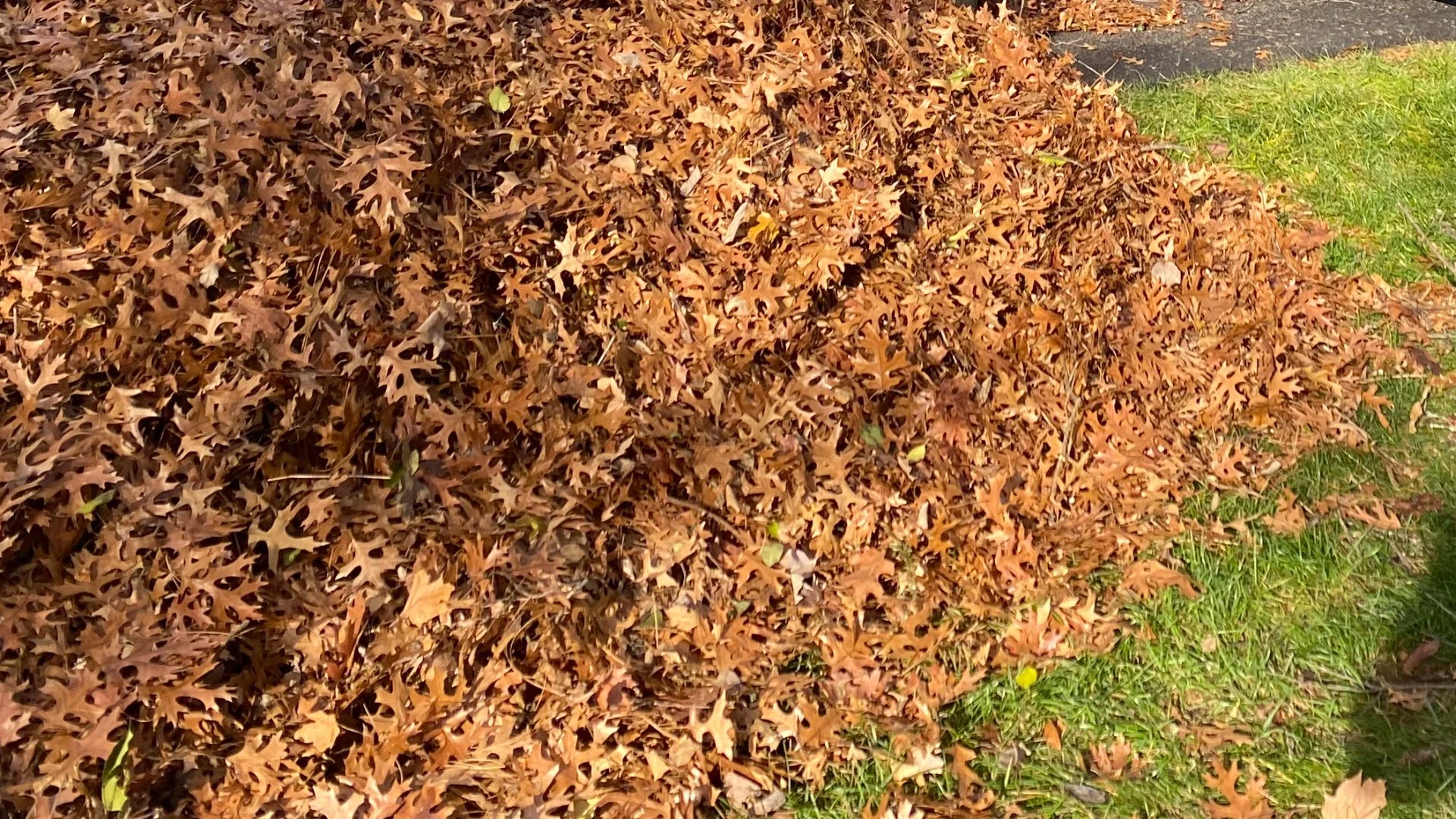
Leaf piles on your lawn during winter in Kentucky can smother grass by blocking sunlight, water, and nutrients, weakening it and making it susceptible to diseases. Additionally, these piles attract pests like rodents and insects, which can invade your home and pose health risks. Leaf piles also create a damp environment ideal for lawn diseases, especially when covered with snow, as they trap moisture and foster fungi growth. This can result in dead or damaged grass by spring. To prevent these issues, it's best to remove leaf piles before winter to maintain a healthy, vibrant lawn.
Leaf piles can smother your grass, blocking essential nutrients from reaching it.
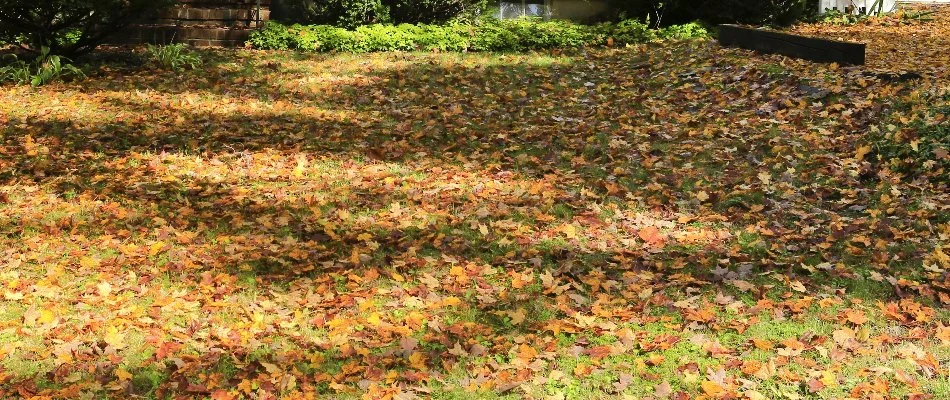
When you let leaf piles sit on your lawn during winter, they can seriously harm the grass beneath. These piles act as a barrier, blocking essential sunlight, water, and nutrients that grass needs to thrive. Sunlight is crucial for photosynthesis, the process by which plants generate energy. Without adequate light, your grass weakens and struggles to grow. Additionally, leaf piles prevent rain and snowmelt from reaching the roots, leading to dehydration and nutrient deficiencies.
As the grass becomes stressed from this lack of resources, it becomes susceptible to further damage from the harsh winter conditions. Even if the grass survives, it may be too weakened to recover in the spring, resulting in a sparse, unhealthy lawn. Moreover, stressed grass is more vulnerable to lawn diseases, creating a cycle of decline that affects the overall appearance and health of your turf.
Leaf piles attract pests to your property.
In addition to harming your lawn, leaf piles can attract unwanted pests to your property. These leaf piles provide an inviting environment for invasive and harmful animals like rodents and insects like ants and beetles. The warmth and shelter offered by these piles make them perfect nesting grounds, allowing pests to thrive during colder months. Unfortunately, these pests often make their way from the piles into your home or other structures on your property.
The presence of pests poses several risks. Rodents can chew through wires, and insects might invade indoor spaces! Some pests could even carry diseases that pose health risks to your family and pets. By promptly removing leaf piles, you can reduce the likelihood of pest infestations, protecting both your lawn and home from potential damage and hassle.
Leaf piles create the perfect environment for lawn diseases, especially if they get covered in snow and sit all winter.
Leaf piles left on your lawn through winter create ideal conditions for lawn diseases to develop. Thick piles of leaves trap moisture, creating a damp environment that is perfect for fungi and other pathogens to thrive. Snow cover can worsen the situation by insulating the piles, keeping them moist and warm even in freezing temperatures. This environment encourages the growth of diseases such as snow mold, which can severely damage your grass.
When spring arrives, you may find dead or damaged patches of grass, a telltale sign of winter-borne diseases. Preventing this requires removing leaf piles before the snow falls. By keeping your lawn clear, you minimize moisture buildup and reduce disease risk. This proactive approach ensures your lawn stays healthy, making it easier to achieve a lush, green lawn in the spring.
Call Us Today to Schedule Our Leaf Removal Service
Piles of leaves on your lawn should be dealt with and removed before winter to avoid issues like poor grass health, pest infestations, and the development of diseases. Let our team handle this backbreaking work via our leaf removal service. We offer this service from mid-November until mid-January.
This service is offered to residential and commercial properties, as well as HOAs, in Louisville, St. Matthews, Indian Hills, and throughout the surrounding areas in Kentucky. Give us a call at (502) 861-6637 to schedule this service today!

Comments (0)
Thanks for your comment!
Thanks for your feedback! Your comments have been successfully submitted! Please note, all comments require admin approval prior to display.
Error submitting comment!
There is a problem with your comment, please see below and try again.